














"Pinagsasama ng LiveAgent ang kahusay na live chat, ticketing at automation na nagbibigay-daan sa amin na magbigay ng natatanging suporta sa aming mga customer."
Social media has become a crucial touchpoint for businesses. Customers now expect timely responses and personalized service through platforms they frequently use, making it imperative for companies to adapt their customer service strategies accordingly.
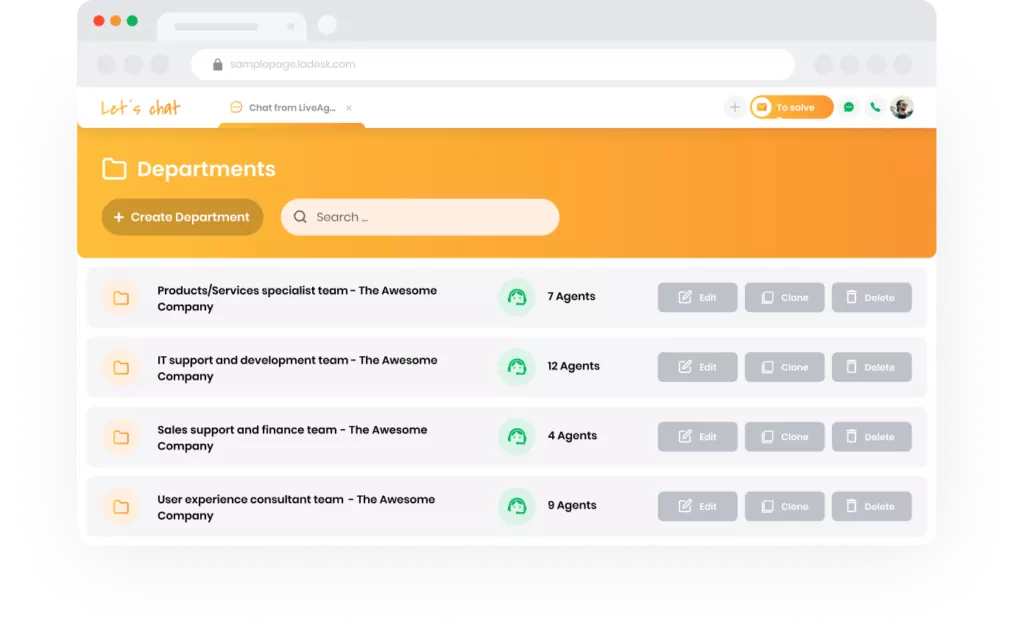
Social media customer service software has emerged as a powerful tool to manage these expectations effectively. With solutions like LiveAgent offering unique features, such as split access for different social media accounts, businesses can streamline their response process without the need for cumbersome third-party tools.
In this article, we will explore the benefits of social media support software, delve into the functionalities that enhance customer satisfaction, and outline the essential features to consider in 2025.
Key definitions of social media customer service software
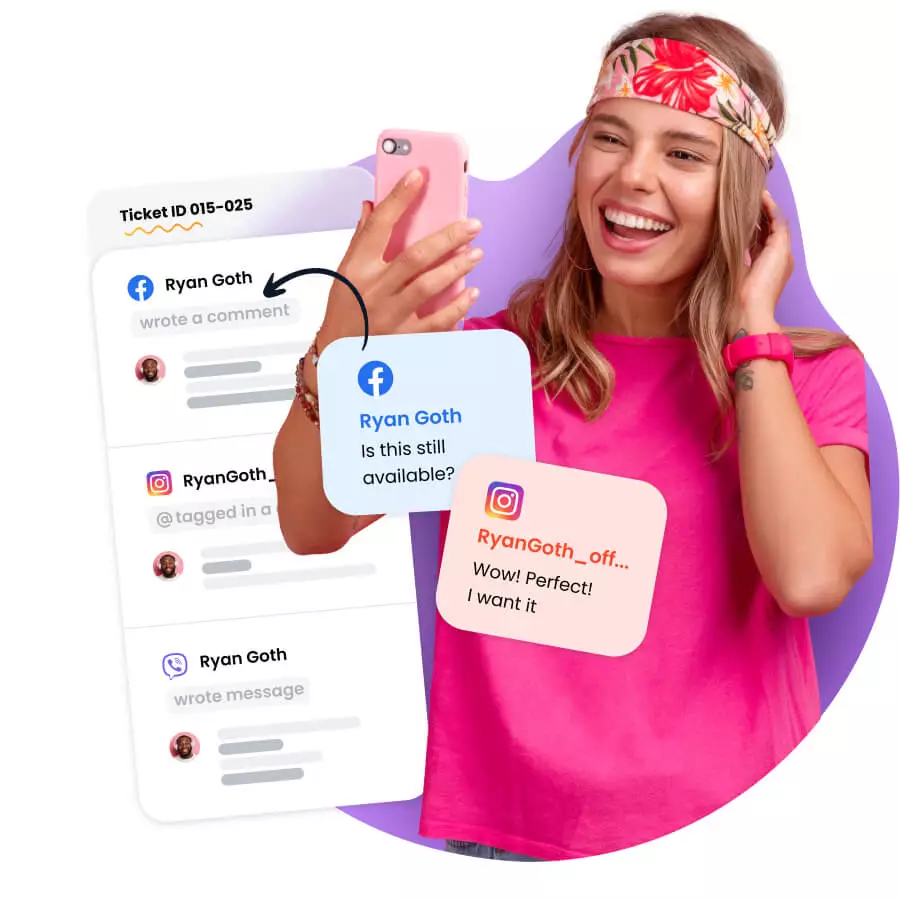
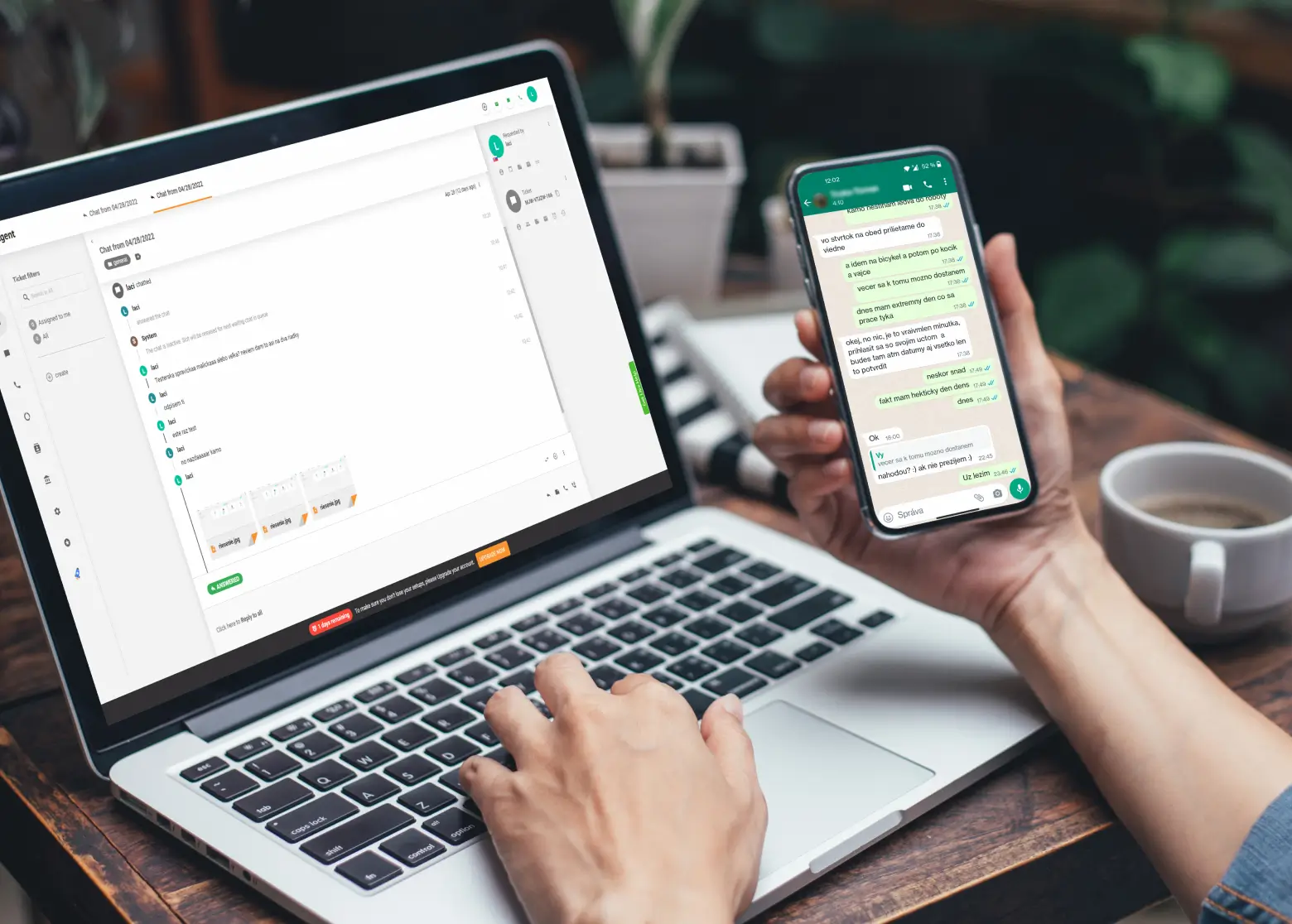
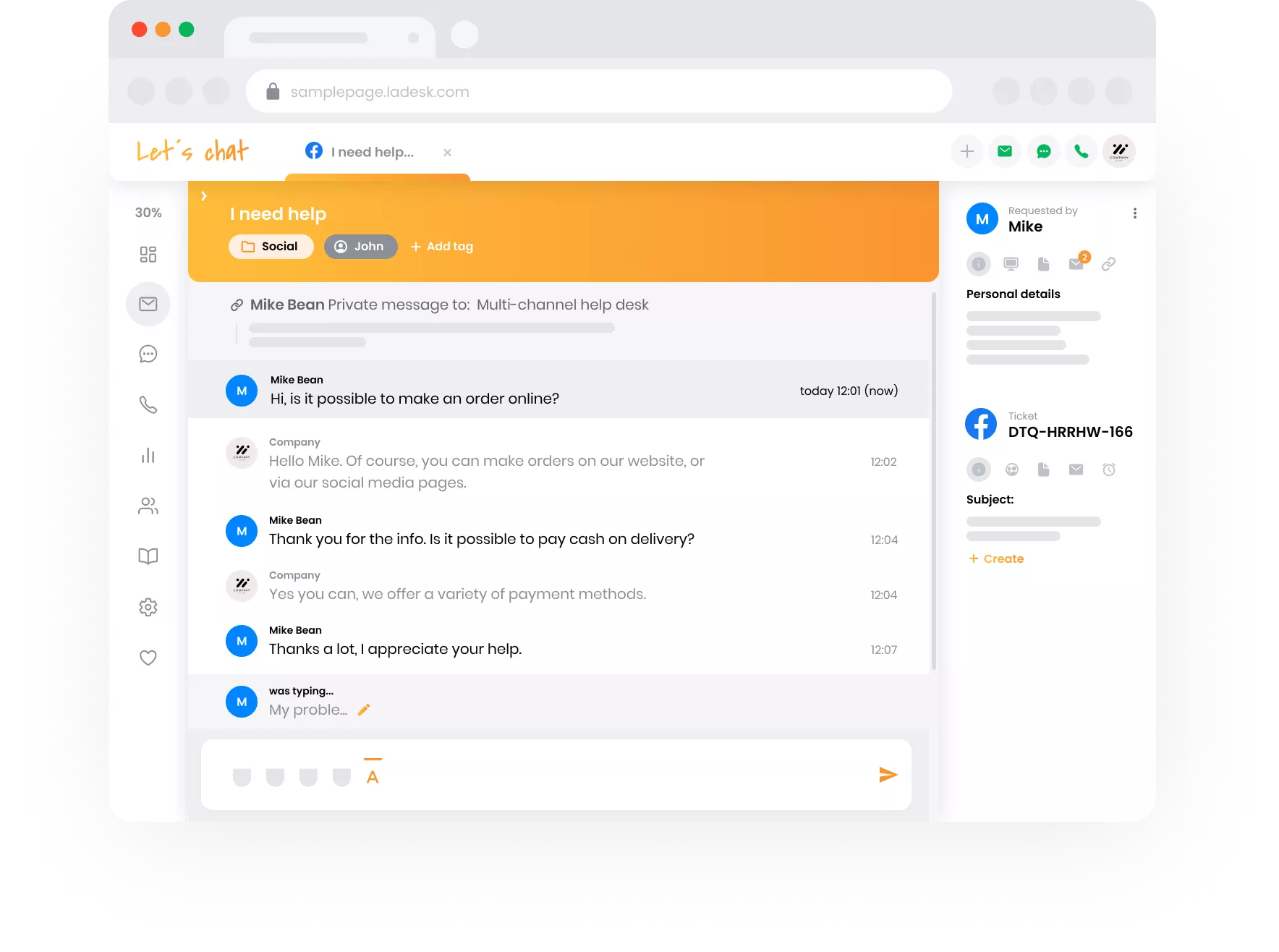
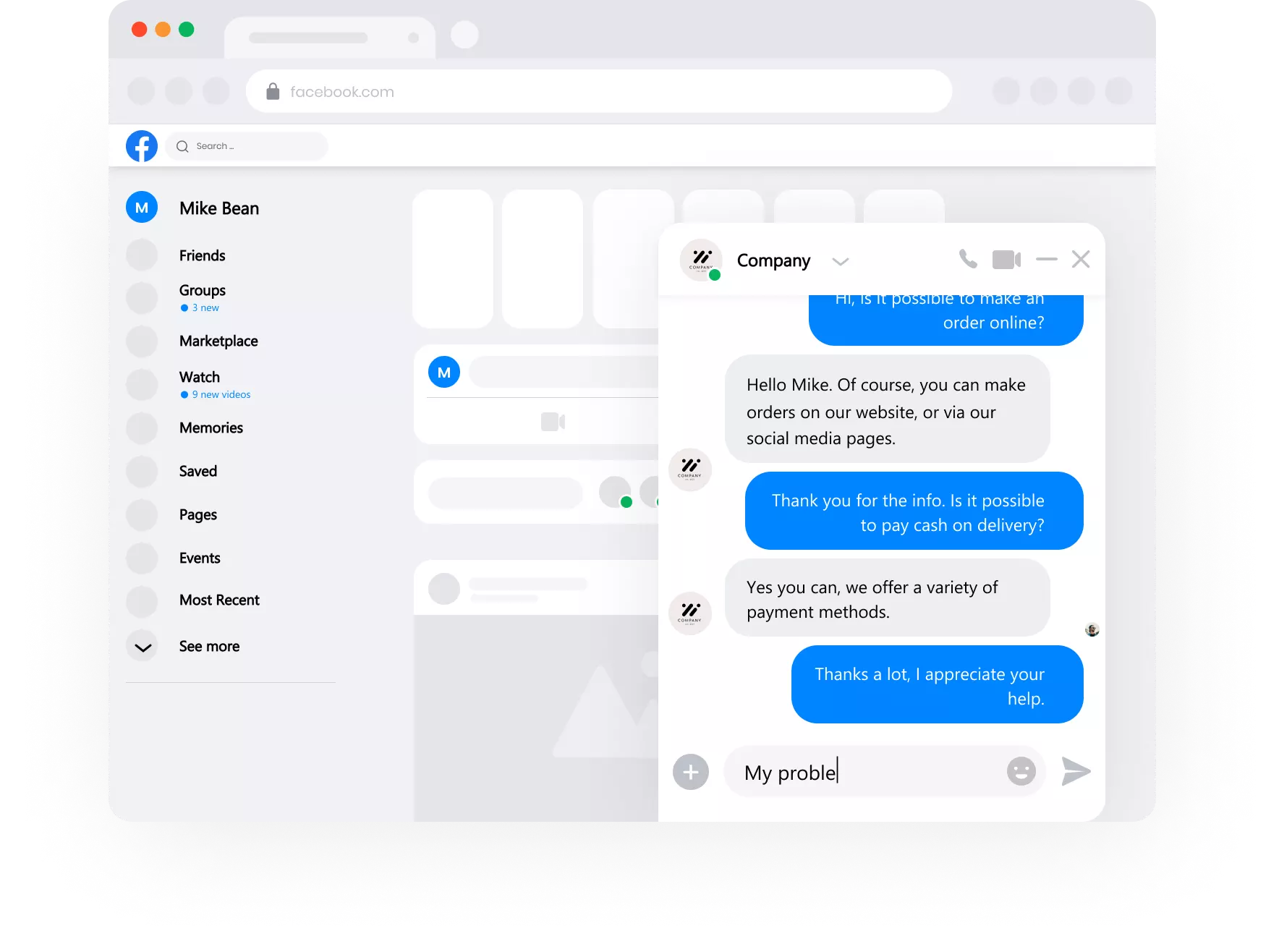
Social media customer service software is a specialized tool designed to manage customer interactions across various social media platforms. By centralizing messages and brand mentions from platforms like Messenger, X (formerly Twitter), and WhatsApp Business, it streamlines the customer communication process.
This software often includes advanced features such as automation, analytics, and integration capabilities to enhance the customer experience. Key capabilities include omnichannel coverage, conversational AI, routing and deflection, social listening, and sentiment analysis. These features enable businesses to provide timely, consistent, and data-driven support.
By using social media customer service software, companies can foster higher levels of customer satisfaction and loyalty. Offering a unified view of all customer interactions across channels, it helps in understanding customer needs and delivering personalized service efficiently.
Unique features of social media customer service software
Key features include omnichannel coverage, which maintains a consistent conversation history across all platforms. This feature is crucial for understanding the context of customer interactions and provides a smoother customer service experience.
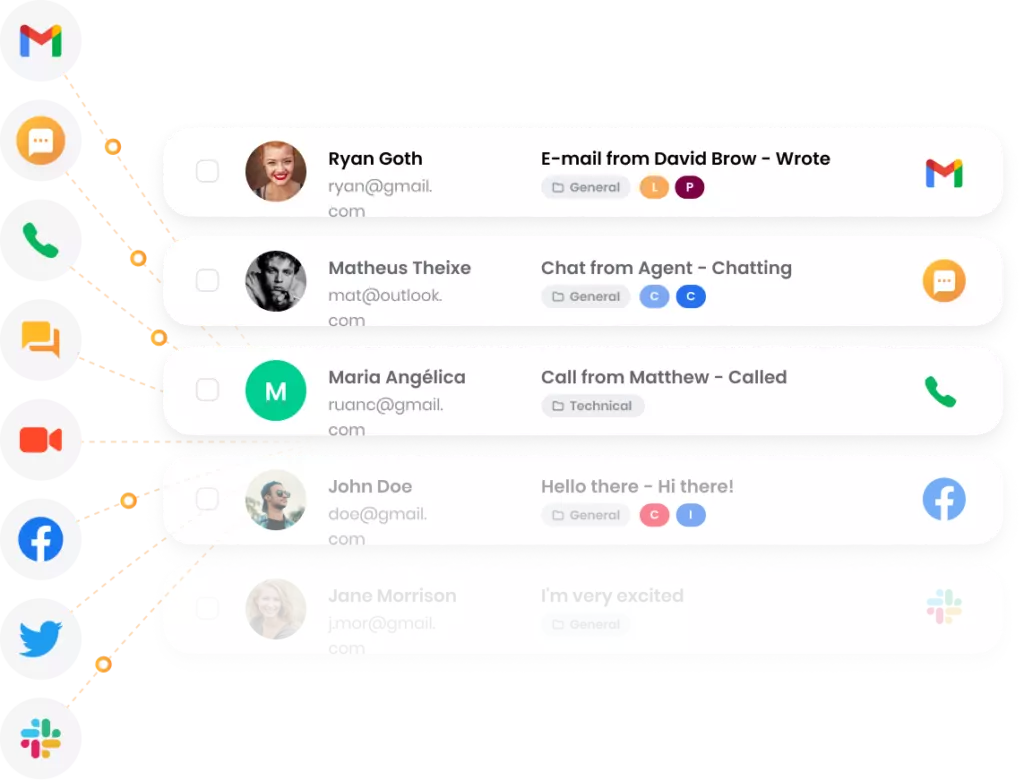
LiveAgent - omnichannel ticketing system
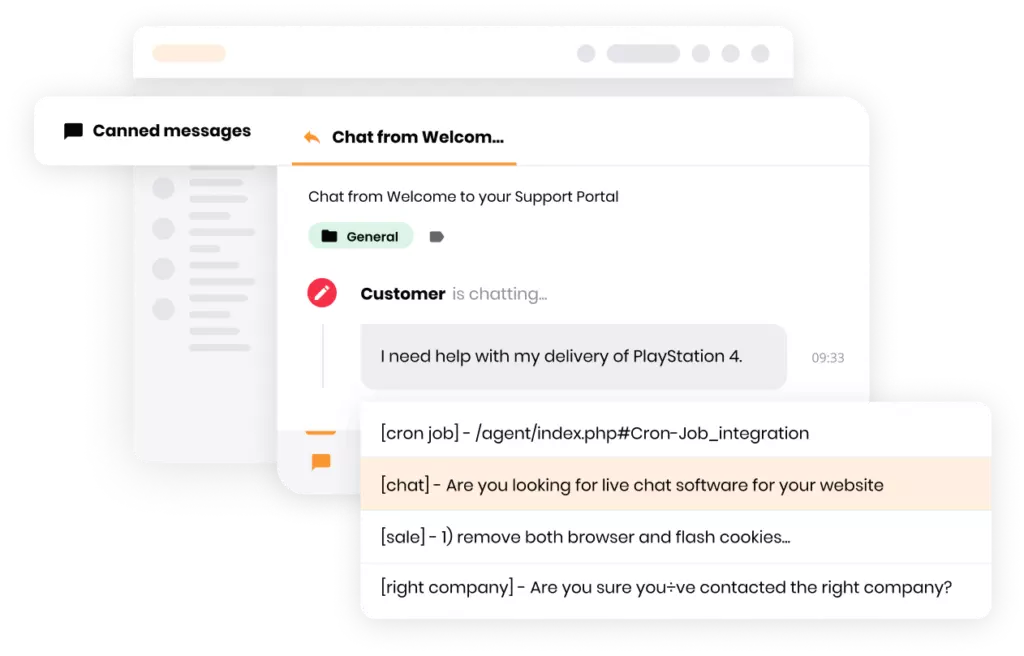
Incorporating conversational AI, the software automates real-time responses to common queries, delivering instant support. This capability reduces response times and ensures that customers receive the help they need promptly.
Social listening tools monitor brand mentions and keywords, allowing businesses to engage proactively and manage issues effectively. Furthermore, sentiment analysis capabilities help prioritize urgent feedback by identifying emotional tones in customer messages, ensuring quicker resolution and enhanced customer satisfaction.
Benefits of social media customer service software
Automation of routine tasks like ticket creation and routing significantly boosts the efficiency of customer service teams, freeing agents to tackle more complex issues.

Centralizing interactions from diverse social platforms into one interface allows for quick query identification, prioritization, and resolution, leading to markedly faster response times.
Integrated analytics tools further assist businesses in understanding customer preferences and behaviors, thus fostering more personalized interactions and ensuring industry-specific compliance in tracking customer interactions.
Enhanced customer satisfaction
Social media customer service software significantly boosts customer satisfaction by offering efficient, personalized, and proactive support tailored to individual needs.
Enhanced customer interactions enabled by these tools lead to quicker issue resolution and higher retention rates. Unified inbox management aggregates inquiries from various social media channels, ensuring effective and prompt responses.
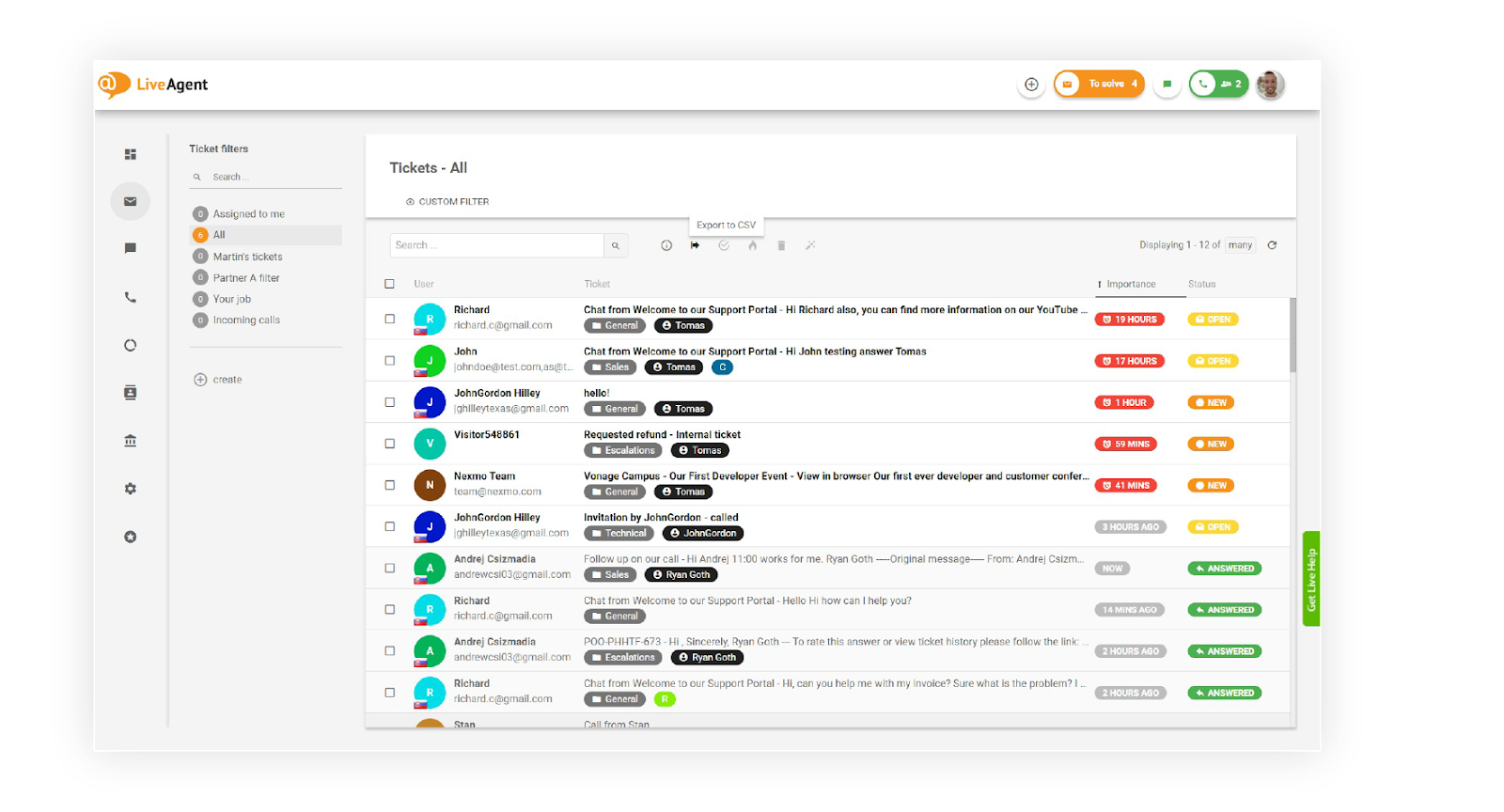
With advanced query categorization and routing, inquiries are directed to suitable agents, improving response times and resolution rates. By leveraging detailed customer history, agents deliver a personalized service experience, further heightening customer satisfaction.
Streamlined communication
Streamlined communication is achieved by integrating direct message interactions from social media with other customer service channels, including calls, email, and chats, into a unified system.

This unified approach gives customer service teams the necessary context for faster and more effective responses to inquiries.
Prompt engagement is key, with statistics showing that about 70% of consumers expect responses within 24 hours. Supporting multi-channel communication allows customers to interact on their preferred platforms, ensuring a consistent experience and enhancing operational efficiencies across social media platforms.
Proactive support through social listening
Proactive customer service on social media involves active monitoring and engagement by tracking brand mentions, hashtags, and relevant keywords rather than solely responding to direct queries.
Social listening allows brands to track both direct and indirect mentions, enabling timely interventions to prevent issues from escalating. By conducting sentiment analysis, companies gain deeper insights into customer perceptions, which inform product development and enhance customer service.
Real-time insights from social listening reveal customer demographics and attitudes, helping businesses identify and address common pain points. Engaging with customers based on mentions shows a brand’s commitment to valuing feedback and achieving satisfaction, even beyond direct inquiries.
Challenges in implementing these solutions
Training employees to use these tools efficiently is crucial. It involves developing robust communication protocols while ensuring data security compliance. Additionally, establishing metrics to measure the success of social media customer service software can be tough if existing performance benchmarks are not well-defined. Choosing the right software can also be difficult due to varying features and price points among available solutions.
Integration complexity
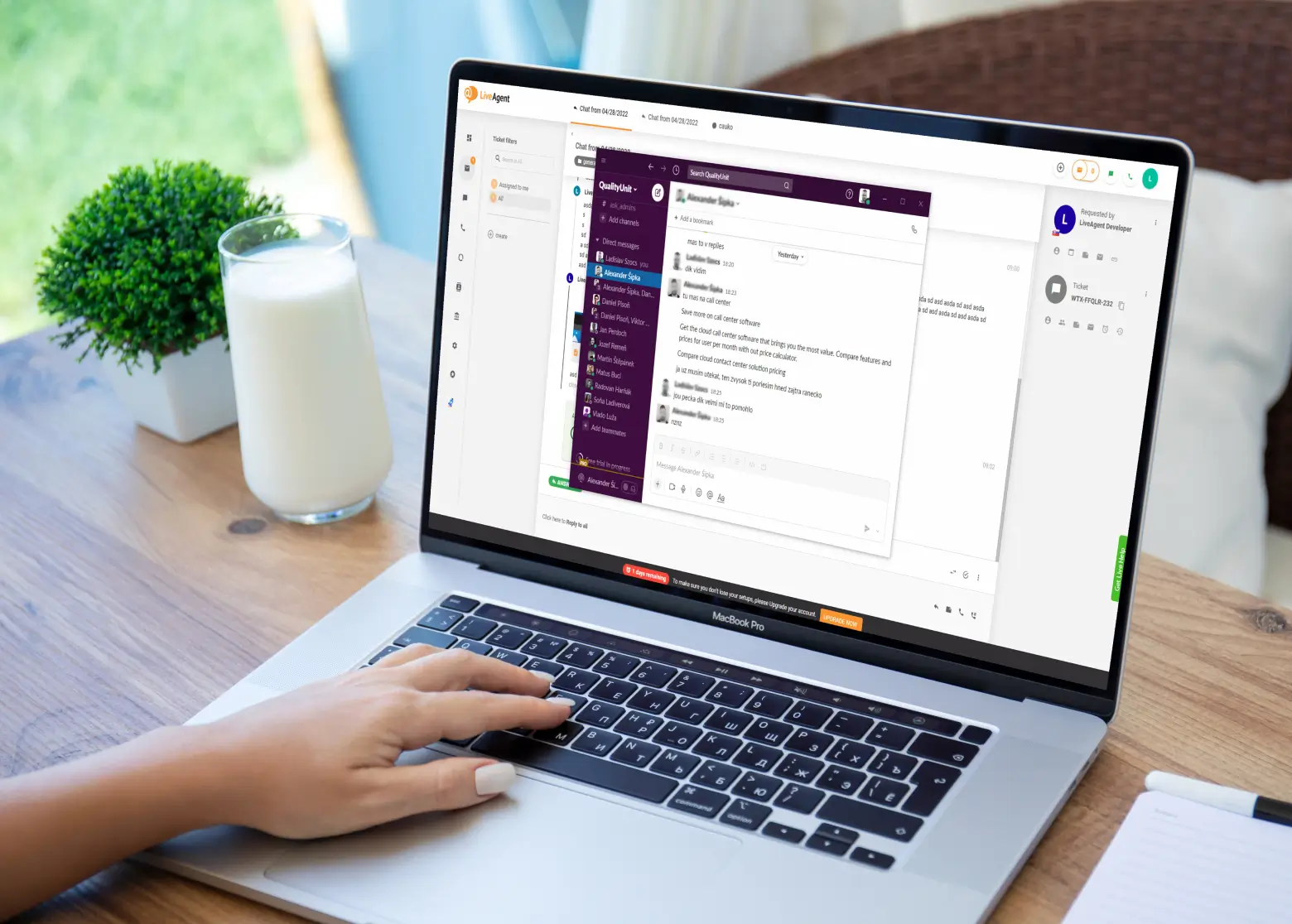
Integration complexity is a significant hurdle when implementing social media customer service solutions. Gladly’s platform facilitates seamless integration with other tools, boosting productivity by managing social media interactions efficiently.

The inclusion of self-service tools and AI-based automation helps scale social customer care effectively. On the other hand, Sprout Social allows simultaneous management of various social media accounts, simplifying the handling of diverse interactions. Overall, centralized messaging from different social platforms simplifies addressing customer communication.
Managing high volumes of interactions
Social media customer service software is essential for handling high volumes of customer interactions. Smart automations manage customer inquiries effectively, reducing the burden on support teams.
Real-time monitoring features provide immediate alerts, allowing for quick responses to large volumes of queries. By aggregating customer inquiries into a unified inbox, support teams can efficiently manage interactions across multiple social media channels.
Query categorization and routing ensure inquiries reach the most suitable agents, enhancing response times even during peak periods. Detailed logs of customer history enable context-aware interactions, improving agents’ capability to address numerous inquiries effectively.
Key features to look for in software
Effective social media customer service software should provide omnichannel coverage, enabling seamless support across various platforms while maintaining consistent conversation history for customer interactions.
The inclusion of conversational AI is crucial, automating real-time responses for immediate and intelligent support for common customer questions. Additionally, advanced routing and deflection capabilities efficiently direct inquiries to the appropriate support channel or agent, optimizing response efficiency and improving customer satisfaction.
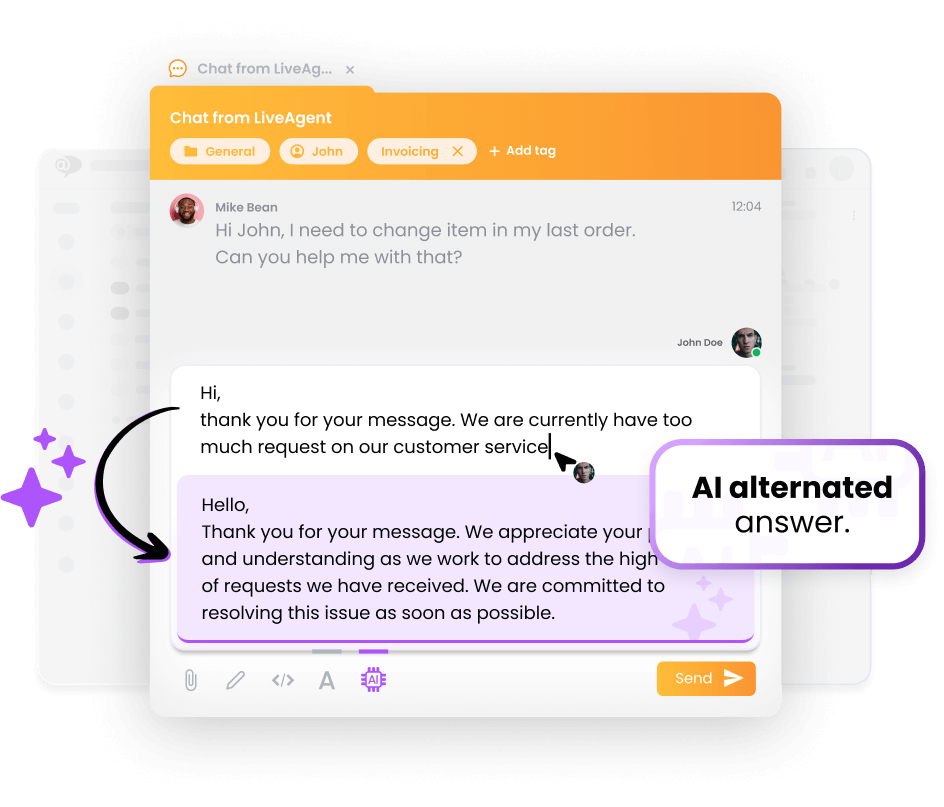
Tools for social listening, such as tracking brand mentions and keywords on social media, are essential for proactive engagement and effective issue management. Incorporating sentiment analysis in the software helps identify the emotional tone of customer messages, allowing teams to prioritize urgent or negative feedback for swift resolution.
User-friendly interface
A user-friendly interface is vital for any social media customer service platform. It should enable customer service teams to easily navigate between social media accounts and swiftly handle customer interactions. An intuitive dashboard that aggregates all customer inquiries and conversations in one place can significantly enhance team productivity.
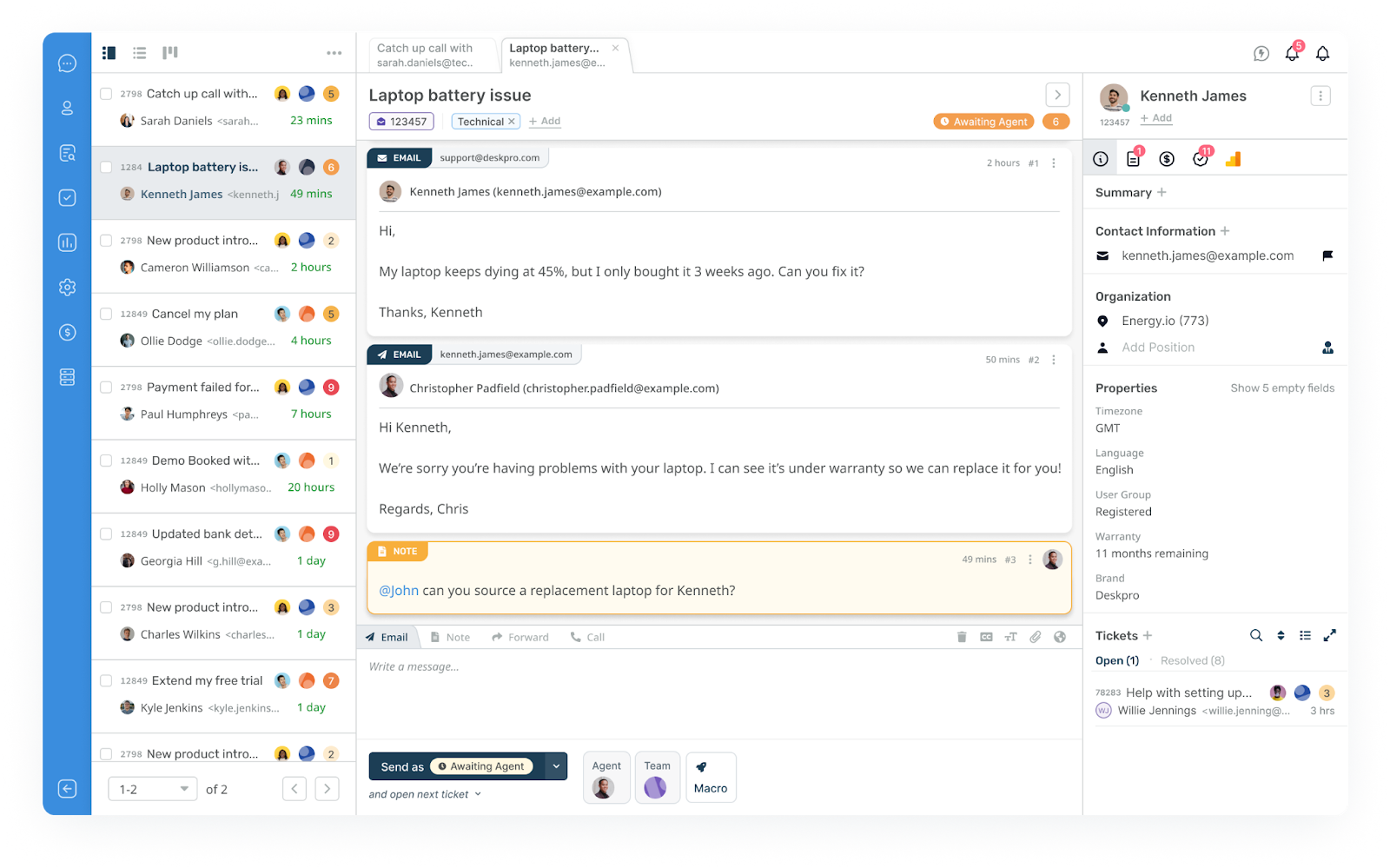
Ensuring simplicity in design without compromising functionality allows for faster adoption and ease of use among team members.
Analytics and reporting tools
Analytics and reporting tools are indispensable for tracking the performance and effectiveness of social media customer service efforts. These tools should provide valuable insights into customer interaction patterns, response times, and customer satisfaction levels.
Detailed reports help teams understand how they can improve their social media strategy and enhance the overall customer experience. By monitoring key metrics, companies can make data-driven decisions to boost customer loyalty and refine their customer service solutions.
Multi-channel support
Multi-channel support is critical for excellent customer service across all social media channels. The best social media customer service solutions integrate platforms like Facebook, Twitter, Instagram, and WhatsApp into a single interface, allowing the customer support team to manage all customer queries without needing to switch between different apps.
Real-time notifications for customer messages and social media posts ensure swift responses, thus maintaining high customer satisfaction. By offering comprehensive support across various social channels, businesses can enhance their customer interactions and cultivate strong customer loyalty.
Comparison of top platforms for 2025
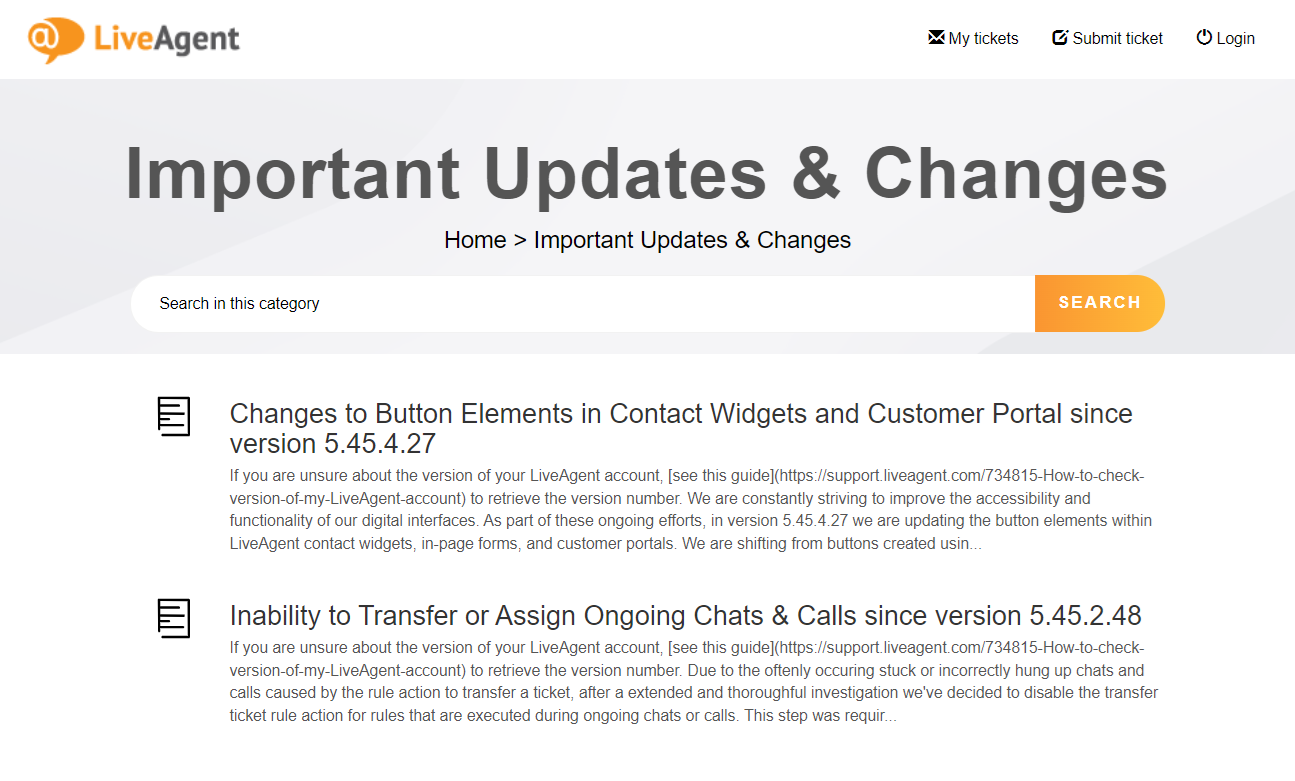
As social media continues to shape the customer service landscape, selecting the right social media customer service platform is crucial. In 2025, top solutions include LiveAgent, Zendesk, Sprout Social, Salesforce Service Cloud, and other notable options. Each offers unique features to enhance customer interactions across various social channels.
LiveAgent
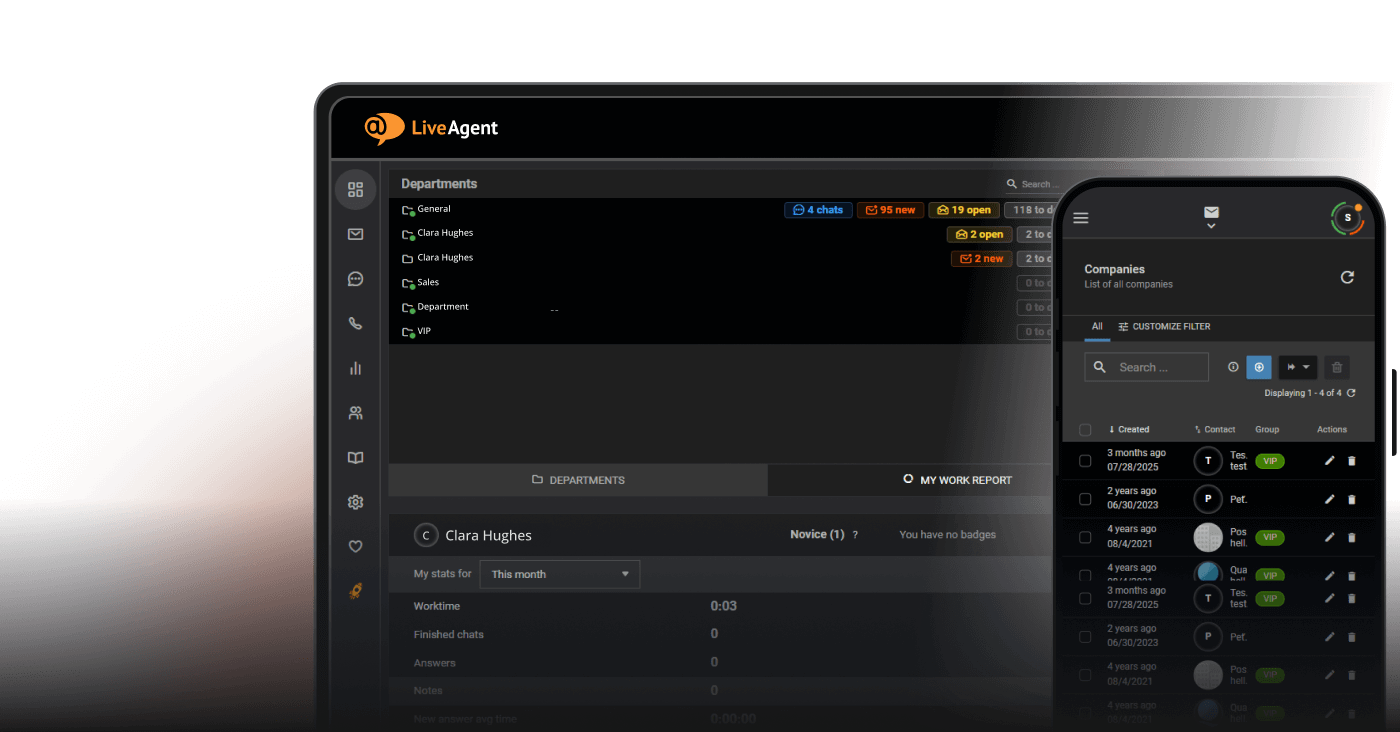
LiveAgent stands out as a comprehensive help desk solution that brings together customer interactions from multiple social media platforms. Its Universal Inbox feature streamlines customer service inquiries from various social channels into a single, easily manageable dashboard. This organization aids customer support teams in handling a large volume of messages more efficiently.
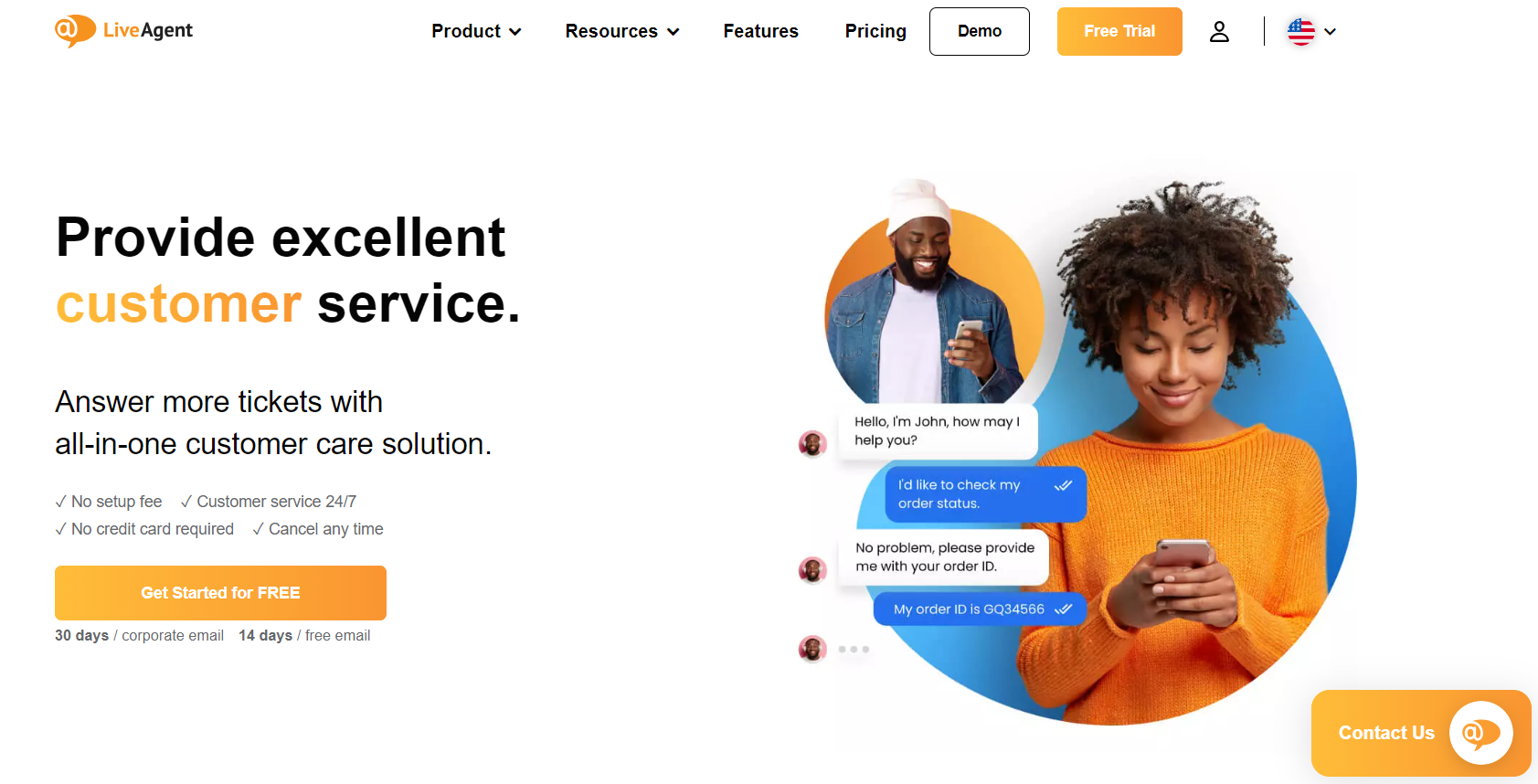
The platform’s custom automation rules allow users to automate interactions, boosting response efficiency and ensuring a timely resolution of customer inquiries. LiveAgent also excels in ticket assignment, directing specific customer service needs to the right experts. This targeted approach ensures that customer queries are addressed accurately and efficiently.

Additionally, LiveAgent’s robust reporting tools offer insights into social media interactions, supporting businesses in refining their overall customer support strategies and enhancing customer experience.
Zendesk
Zendesk’s comprehensive Support Suite enhances customer service operations with automation rules based on keywords, hashtags, or triggers. Its social listening capabilities help agents track customer conversations for valuable insights.

The platform integrates with over 1,500 apps, including social media tools like Sprout Social, allowing extensive customer support capabilities. Zendesk simplifies communication across public and private channels, improving the overall customer experience.
Sprout Social
Sprout Social offers a unified social inbox to track messages and comments from various social media platforms. The platform provides powerful analytics and reporting tools to understand customer insights better.
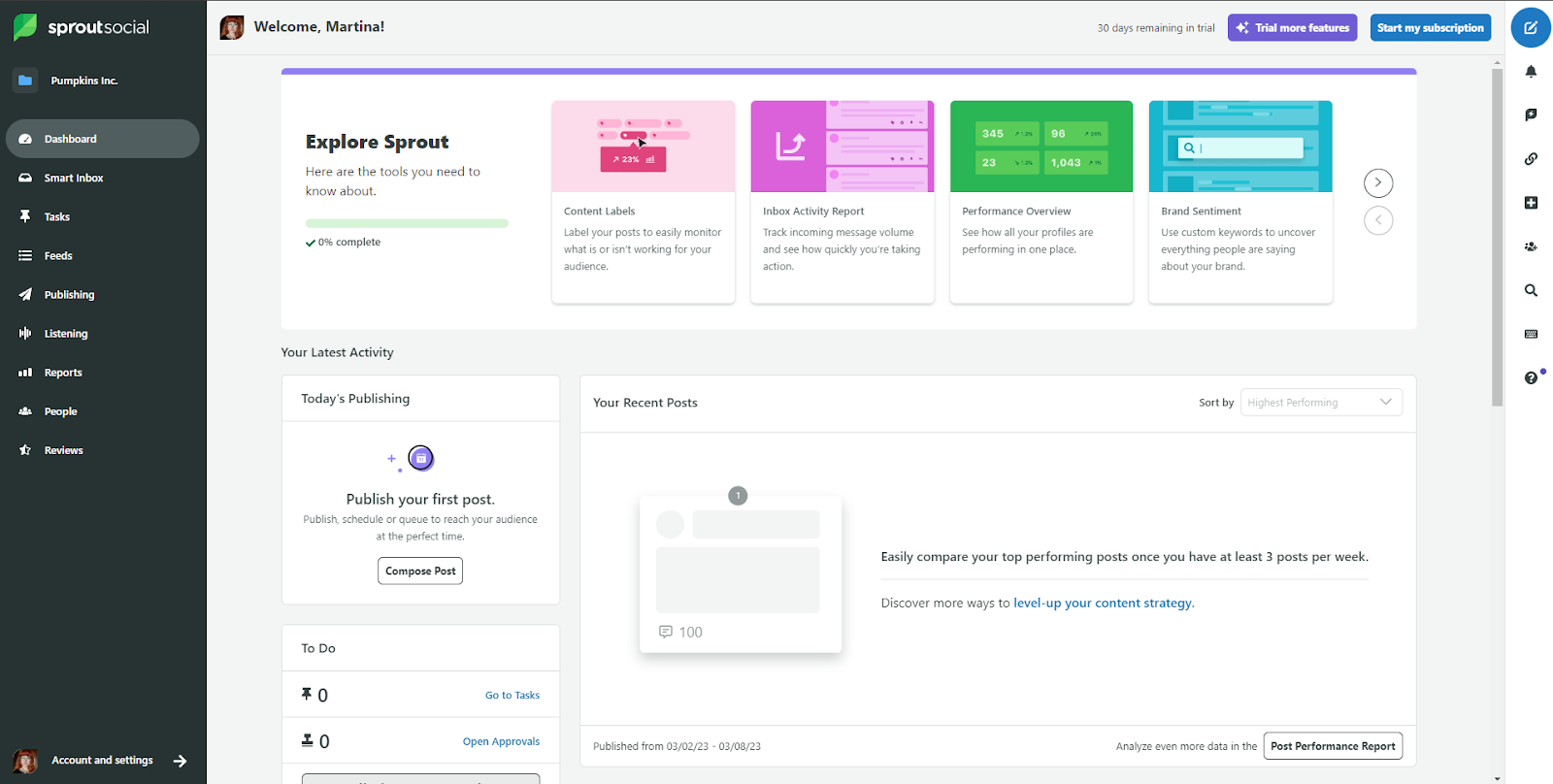
With AI and ML technology, it extracts insights from social conversations. Sprout Social’s features support omnichannel communication and enhance the customer journey with integrated CRM systems and scheduling tools for curated social content.
Salesforce Service Cloud
As part of the Salesforce ecosystem, Service Cloud integrates seamlessly with other offerings for enhanced customer service operations. It supports effective management of customer communications and social media monitoring.

In 2025, Salesforce is integrating Meltwater to replace Social Studio for better social media capabilities. With AI-powered features, Service Cloud provides personalized responses, creating an efficient customer service experience.
Other notable solutions
Other notable social customer service software includes Sprinklr and Qualtrics CX for Contact Centers. Sprinklr offers a comprehensive platform for social media management, while Qualtrics focuses on customer feedback and insights collection. Solutions like Gorgias provide unique functionalities such as omnichannel support and AI-driven automation, catering to various business needs in 2025.